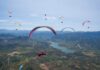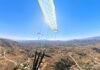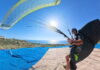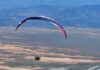

First flights with the AirDesign Exta, the brand’s first parakite and the first light parakite on the market. Two flights in Cyprus in strong wind, a reflex profile far more contained than I expected, and a wing-and-harness package that comes in under 4 kg. These are first impressions, ahead of the full review.
Two flights and a surprise
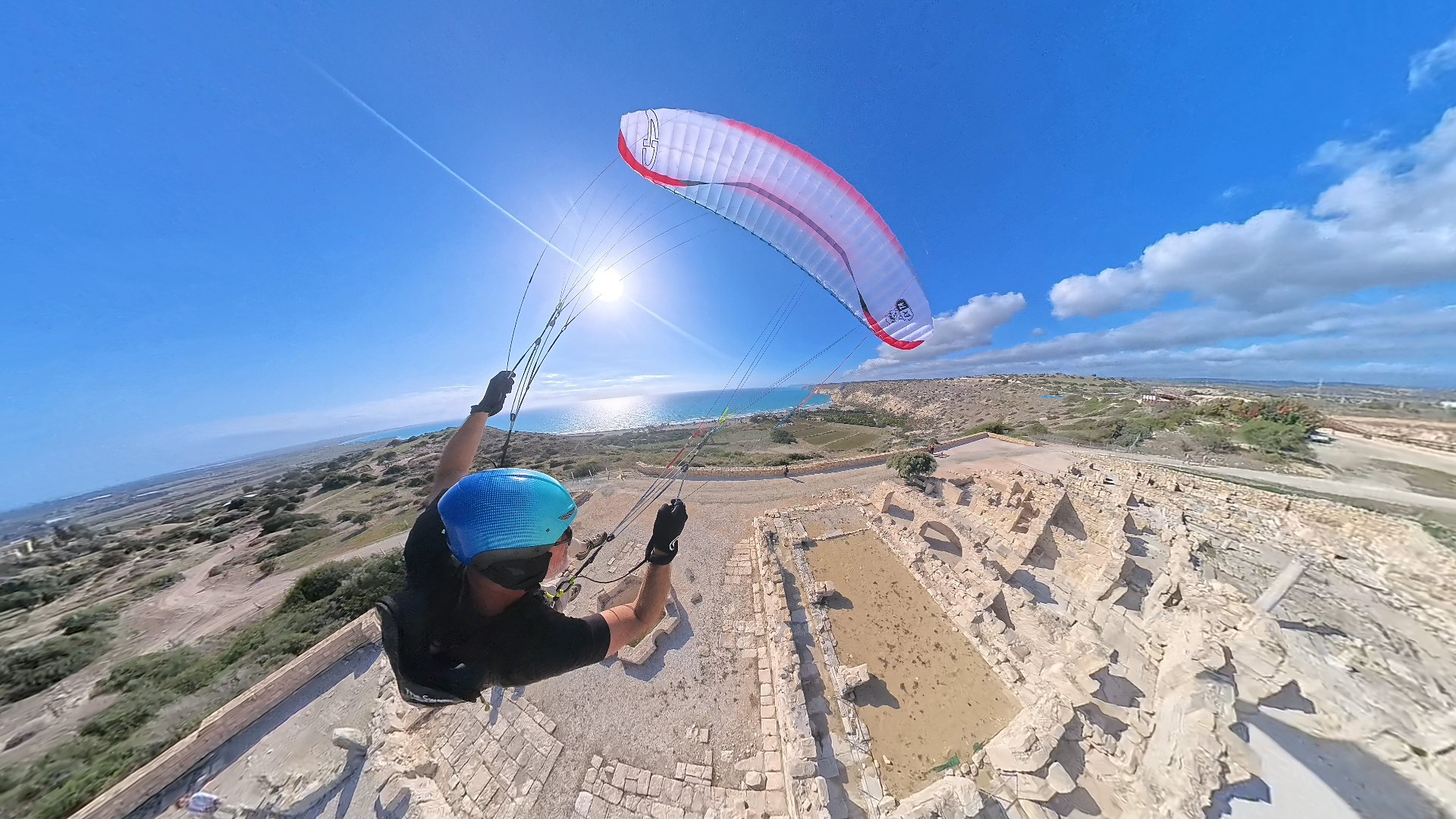
Before that first launch I had it in my head that this would be more complicated. There was 40 km/h of wind and a 21 m² parakite straight out of the bag, which is the moment when you still don’t know whether the wing is going to play with you or against you. It came up clean and easy, with a smoothness that caught me off guard.
Here is that first flight, with those 40 km/h coming into the launch:
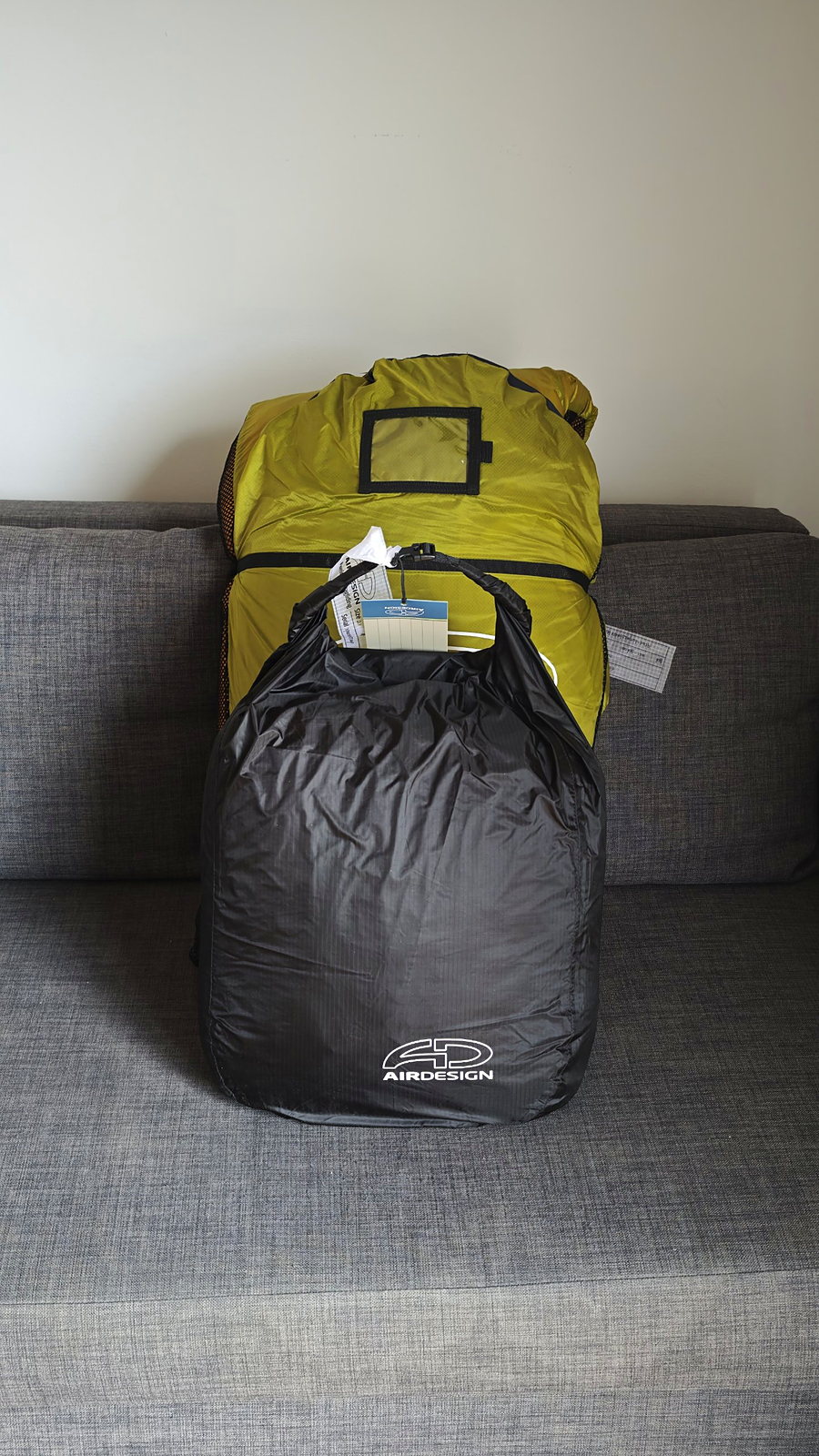
The first thing that grabs you is neither the flight nor the launch: it is the bag. The Exta in size 21 weighs 2.68 kg and fits into a 24-litre rucksack. Add the 900 g of The Sweet harness and the complete package in the biggest size of the range stays under 3.6 kg. Madness. The lightweight mountain paragliders we used to call extreme a few years ago weighed that much for the wing alone.
Where the Exta sits
The Exta sits clearly on the contained side of that scale, close to a semi-reflex, and that is why the transition from a conventional paraglider feels so natural. It lets you understand what the air is doing and flow with the wing, with a progressive brake feel you recognise instantly if you come from paragliding.
More or less reflex does not make a wing better or worse: it gives it a character, a personality in the air.
You pay for it in extreme collapse resistance. This is a wing that asks for sensitivity, for feeling properly what is going on around you. It is not that one profile is better: there is the one you like and the one that may suit you better on a given day.
There is far more to this idea than fits in a test log, and I develop it properly in the Parakite Odyssey. If you want to see the opposite end of the scale, in the Level Wings Fuze test log I describe how a true full reflex feels, and in this video I demonstrate it in the air: full brake, let the wing drop as low as possible, then release so it surges and floats out in front.
The second flight: the other side of the coin
I turned up for the second flight excited and wanting more, and the air reminded me that a first impression is always a partial picture. The wind was around 45-50 km/h, the air fairly dense, coming in crossed from the right and arriving rotored and somewhat turbulent. It was nowhere near as smooth and pleasant as the first flight.
The launch was a good deal more intense and I had to stay very active on the controls throughout the flight. And I still enjoyed it enormously: it was climbing well, so I took the height and played with wingovers and spins. The plan was to start working on the tonneau, but with that wind it was not the day.
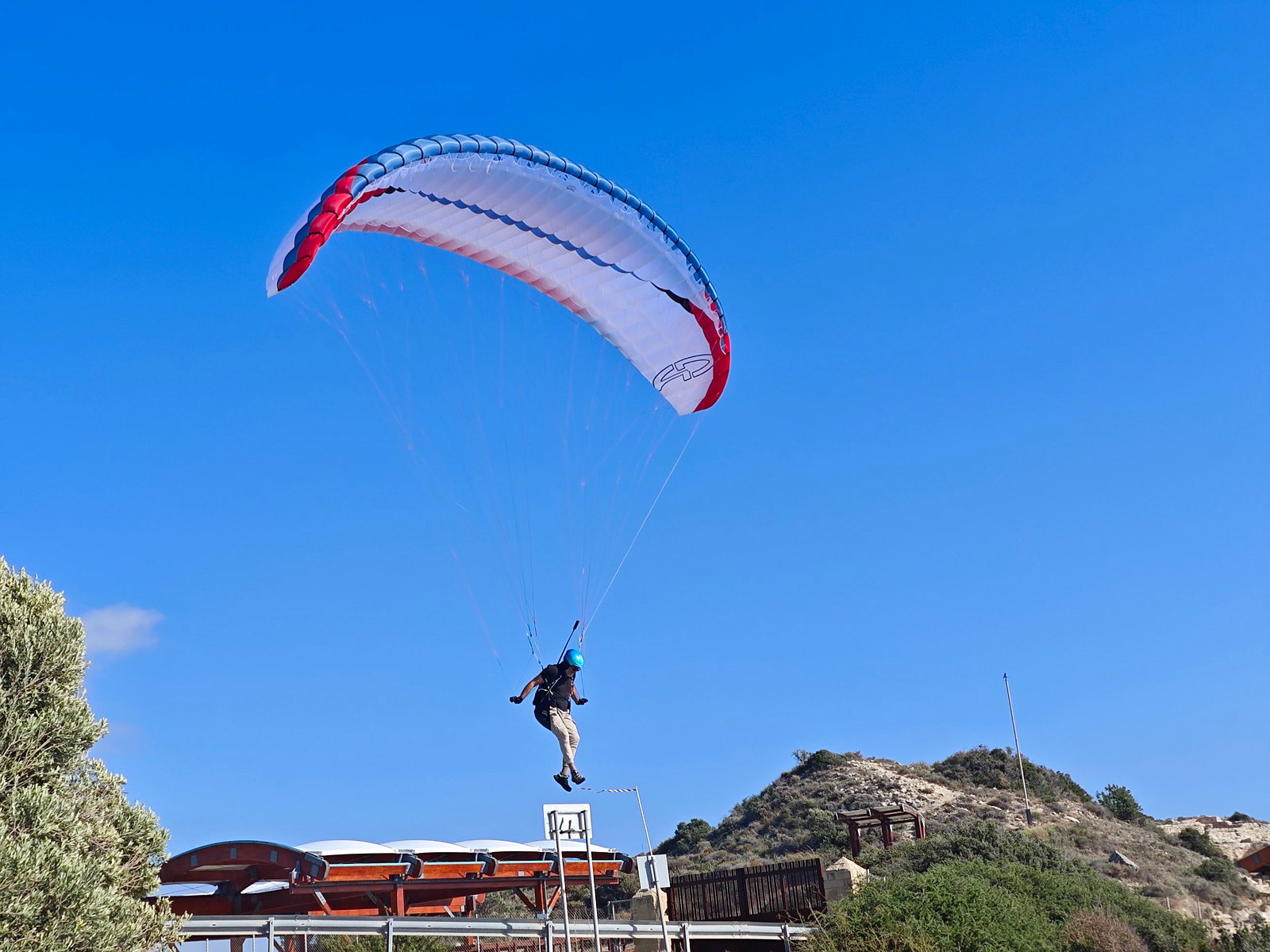
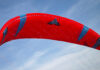
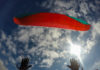
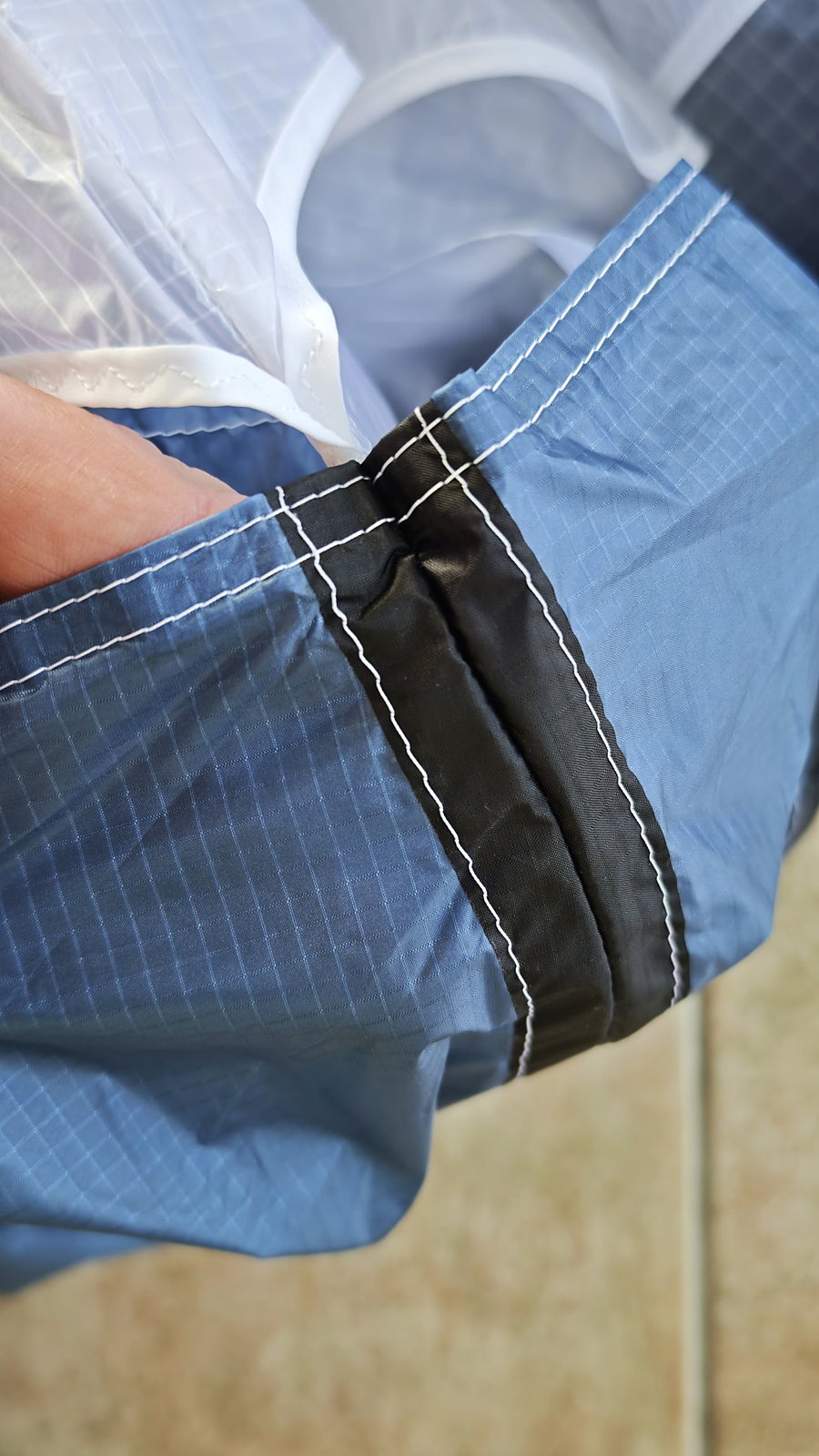
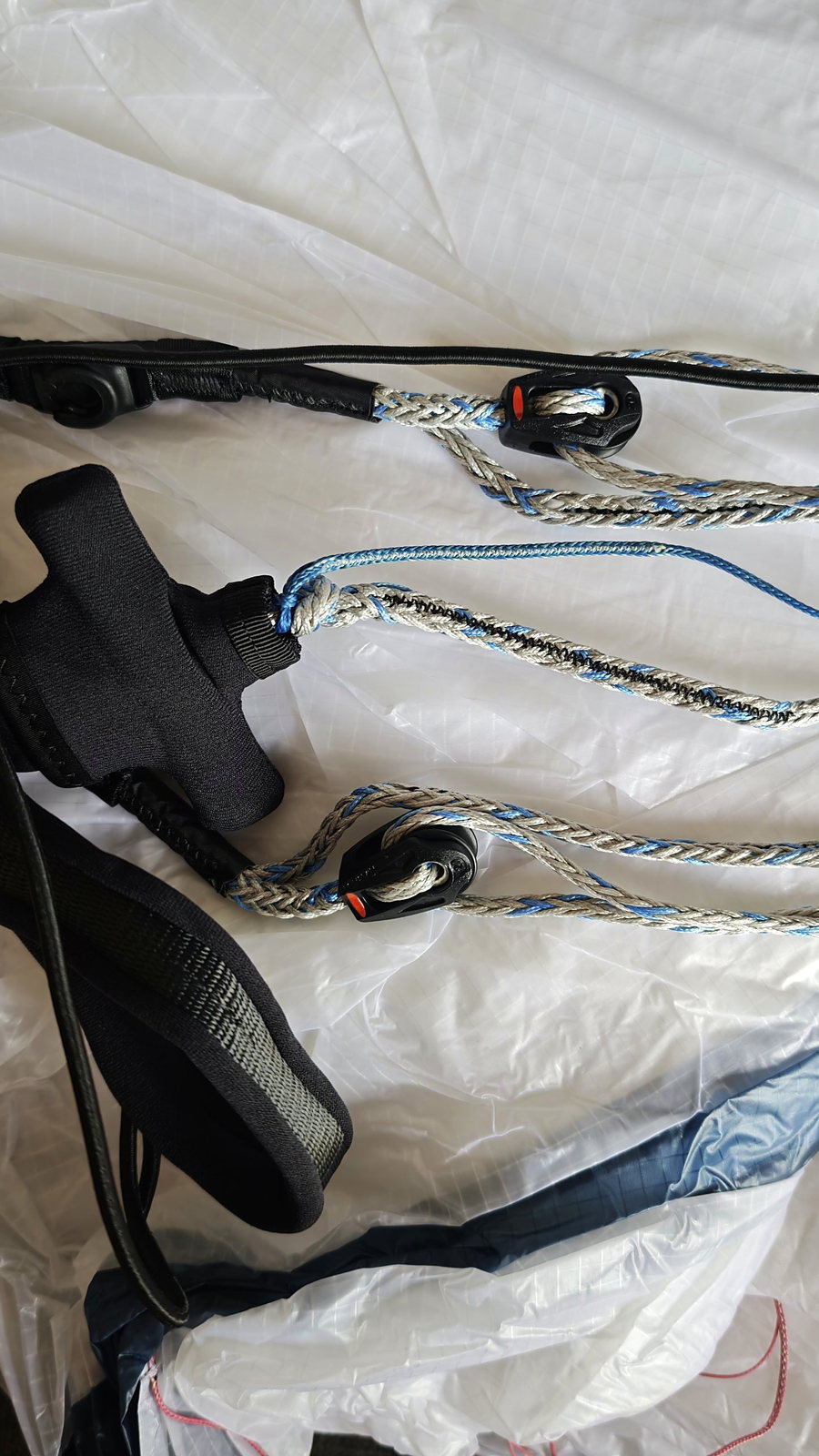
After landing I took the chance to shoot a few detail photos of the stabilos, the risers and the canopy, which is what I am showing you in this first instalment. If you are interested in the inflation and launch work in this kind of wind, I cover it in detail in do not fight the wing.
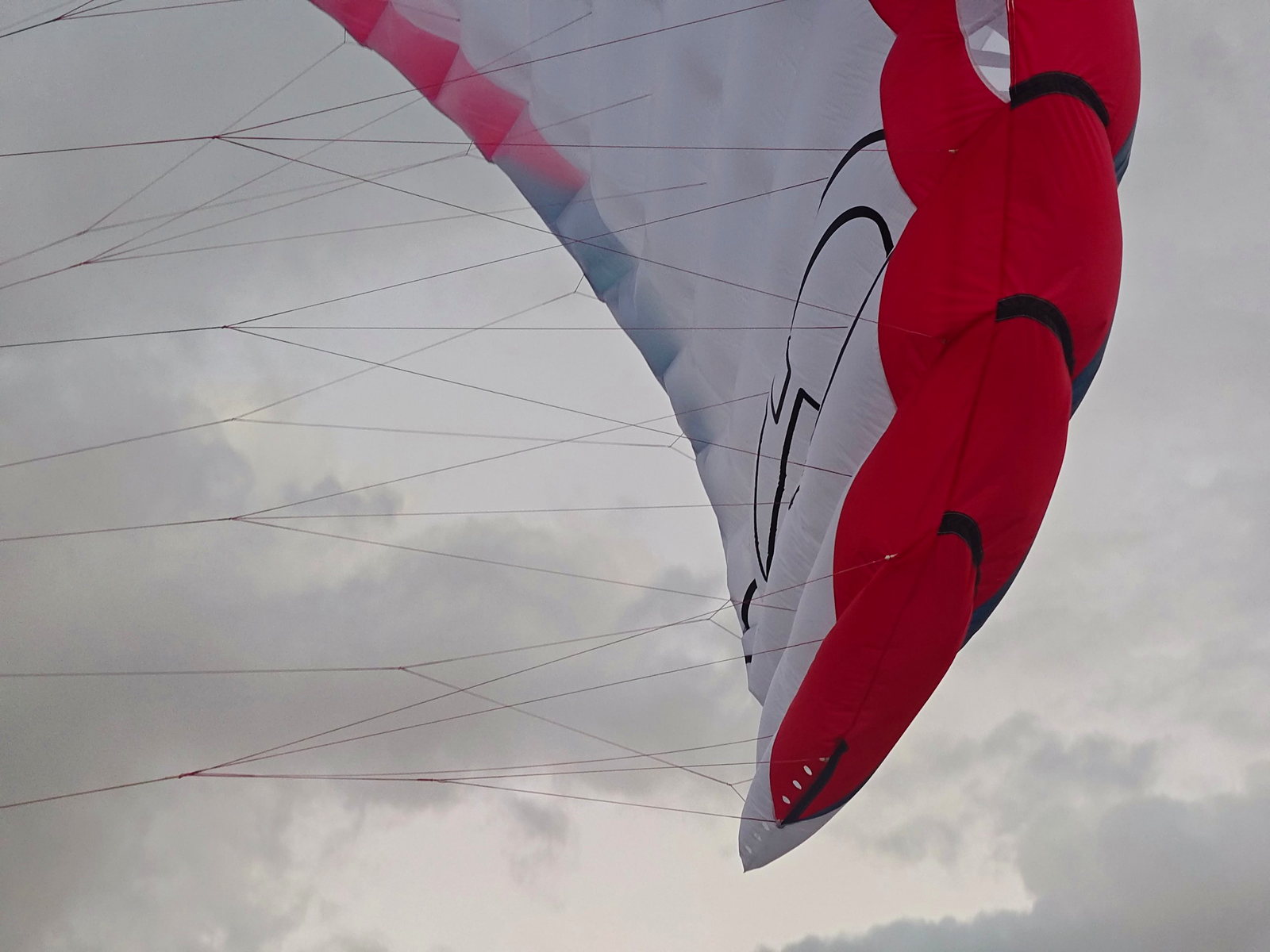
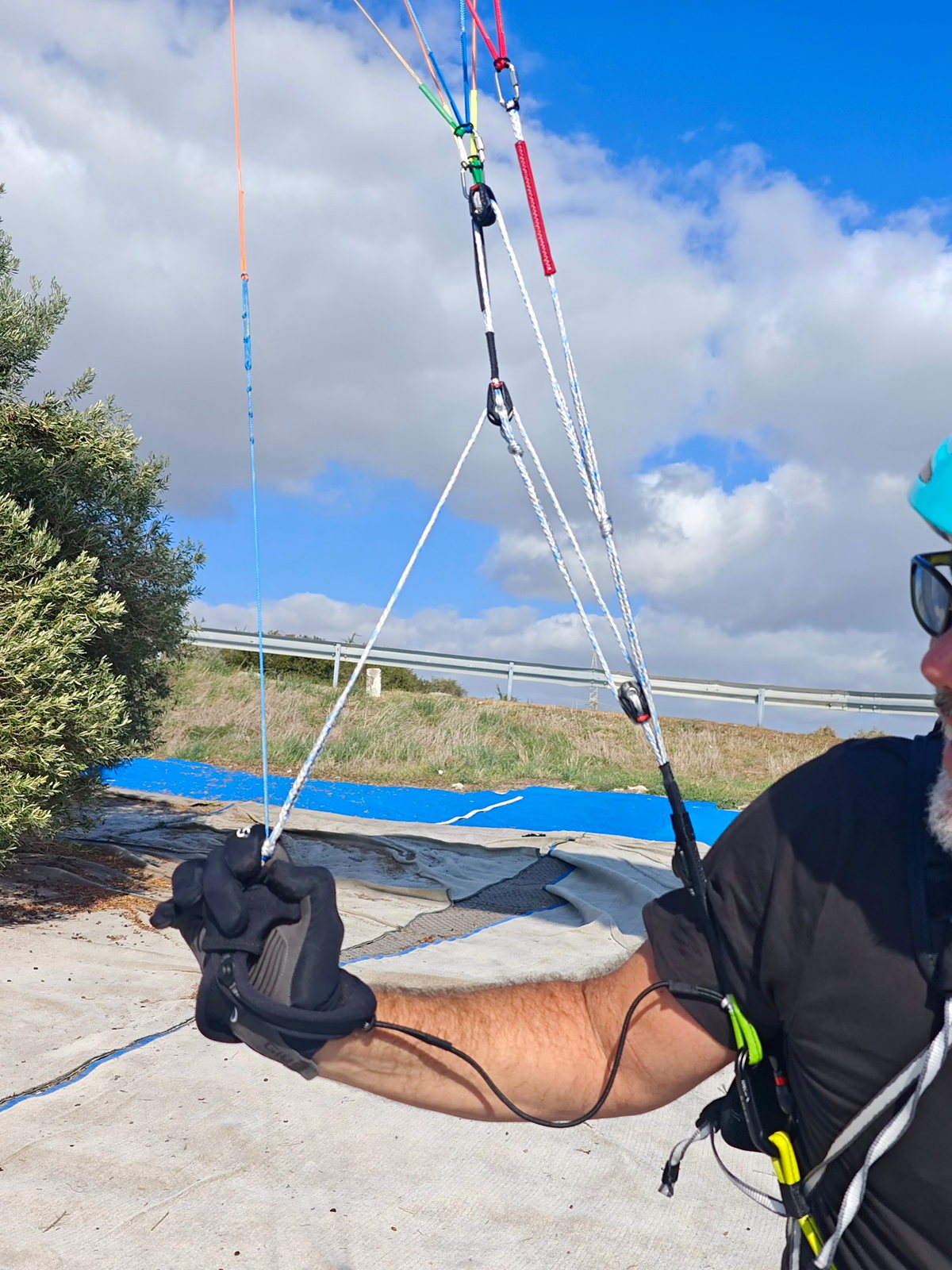
What AirDesign set out to do
It helps to understand where this wing comes from. AirDesign, founded in 2011 in the Austrian Tyrol by Stephan Stiegler —world champion in 1995— and Martin Gostner, and based in Switzerland since early 2026, had never stepped into the parakite segment. And when it finally did, it did not copy the usual approach, as we reported when the wing was launched.
Almost every parakite on the market is conceived for the coast: laminar wind, cliff dynamics, the beach. The AirDesign Exta is born with alpine DNA. The project, led by Hugo Chaboud, started from a fairly clear brief: to recreate in the parakite what the SuSi achieved in paragliding twelve years ago. An extremely light wing, simple to handle and fun, built for the mountains, high soaring, thermals and hike & fly.
That is where the technical decisions come from: a contained aspect ratio (4.86 flat, 3.69 projected), pitch-stable profiles, brake travel and pressure close to a paraglider’s, and pyramid D lines that tension up and help the wing reopen after a frontal. The manufacturer sums it up with a line I will sign after these two flights: the Exta collapses and reacts like a paraglider, not like a rigid parakite.
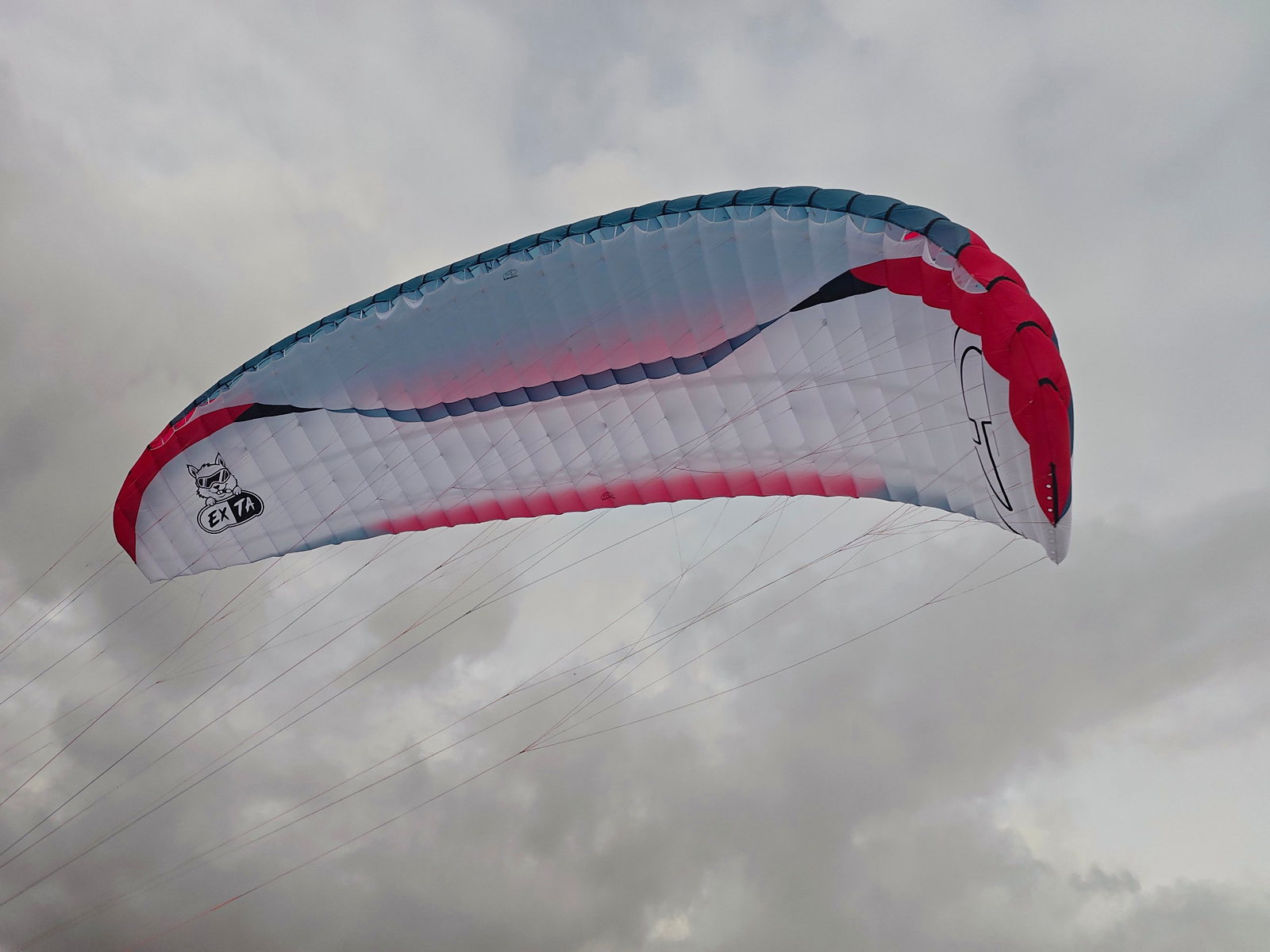
Materials and construction
Main cloth is double-coated Dominico DOKDO-10DSF, 26 g/m². Ribs in DOKDO-204432FM and Porcher Skytex 27 Hard Finish. Edelrid 8001/U lines and 3.7 mm Dyneema rope risers (Edelrid Taurus) with Duralight hardware.
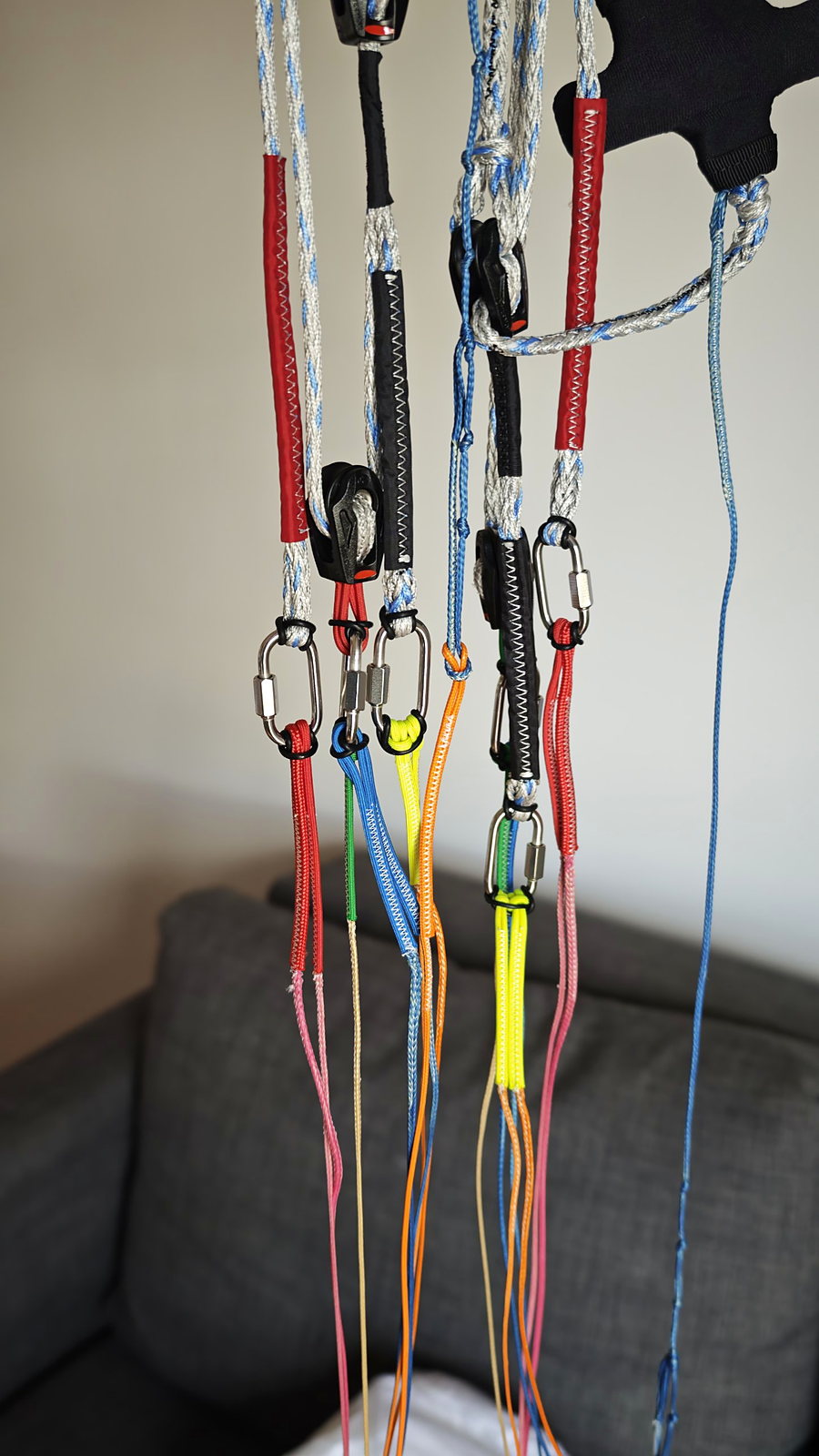
The construction detail covers most of the modern catalogue: sharknose, Nitinol rods to hold the profile shape, 3D shaping, vortex holes, a Ghost Nose Guard protecting the leading edge and a razor edge on every size except the 12. For intensive use, the entire leading edge and the last five cells are made from reinforced cloth.
One detail I want to explore properly is the brake adjustment. The brake line has several attachment points along a scale and the wing ships in the neutral setting, with the magnets on the risers and the handles lined up. Drop the knot and the handling becomes more direct and precise and low-speed manoeuvrability improves, at the cost of more effort in your hands. Raise it and you get less load and more progressive responses.
The four sizes of the AirDesign Exta
Four sizes, and it is worth not choosing on weight alone:
- 21 m² (2.68 kg). The accessible one. Aimed at pilots learning to parakite up to around 75 kg all-up weight. Above 85 kg it gains liveliness and becomes particularly playful. This is mine.
- 18 m² (2.45 kg). The intermediate, for lower all-up weights. High soaring and local thermal flying.
- 16 m² (2.20 kg). The heart of the range. The manufacturer puts it around 30% lighter than the competition; it is the real hybrid between a mini-wing and a soaring and thermal wing.
- 12 m² (1.85 kg). The specialist. Shorter lines, sharper handling, optimised glide. For pilots with hours behind them.
One important note I repeat whenever parakites come up: the EN 926-1 certification is a load and structural strength test, not a flight behaviour certification. In parakites there is no equivalent to the paraglider EN A-B-C-D classes. The number on the label does not tell you how the wing will behave: your judgement and the conditions of the day do.
AirDesign Exta technical specifications
| 12 | 16 | 18 | 21 | |
|---|---|---|---|---|
| Area, flat (m²) | 11.88 | 15.83 | 17.80 | 20.59 |
| Area, projected (m²) | 10.26 | 13.68 | 15.37 | 17.79 |
| Span, flat (m) | 7.60 | 8.78 | 9.30 | 10.00 |
| Span, projected (m) | 6.15 | 7.11 | 7.53 | 8.10 |
| Aspect ratio, flat | 4.86 | 4.86 | 4.86 | 4.86 |
| Aspect ratio, projected | 3.69 | 3.69 | 3.69 | 3.69 |
| Max chord (mm) | 1,906 | 2,200 | 2,332 | 2,508 |
| Cells | 34 | 34 | 34 | 34 |
| Wing weight (kg) | 1.85 | 2.20 | 2.45 | 2.68 |
| Max take-off weight (kg) | <120 | <120 | <120 | <120 |
| Standard | EN 926-1 | EN 926-1 | EN 926-1 | EN 926-1 |
Concept: light mountain parakite. Design: Hugo Chaboud. Colours: Metal and Chily. Pack volume: a 24-litre rucksack. Reference price: around €3,150. Take-off weight is the total flying mass, including pilot, wing, harness, gear and reserve.
What is coming in Test Log #2
I still have to explore the things that really define a wing: the real wind range with this size, the behaviour in thermals —which is what intrigues me most, because it is exactly what the manufacturer says it was after—, cobra inflation in strong wind, and working through the brake adjustment in its different settings. And the tonneau, which is the homework still pending.
The AirDesign Exta still has plenty to show me. To be continued in the next instalment.