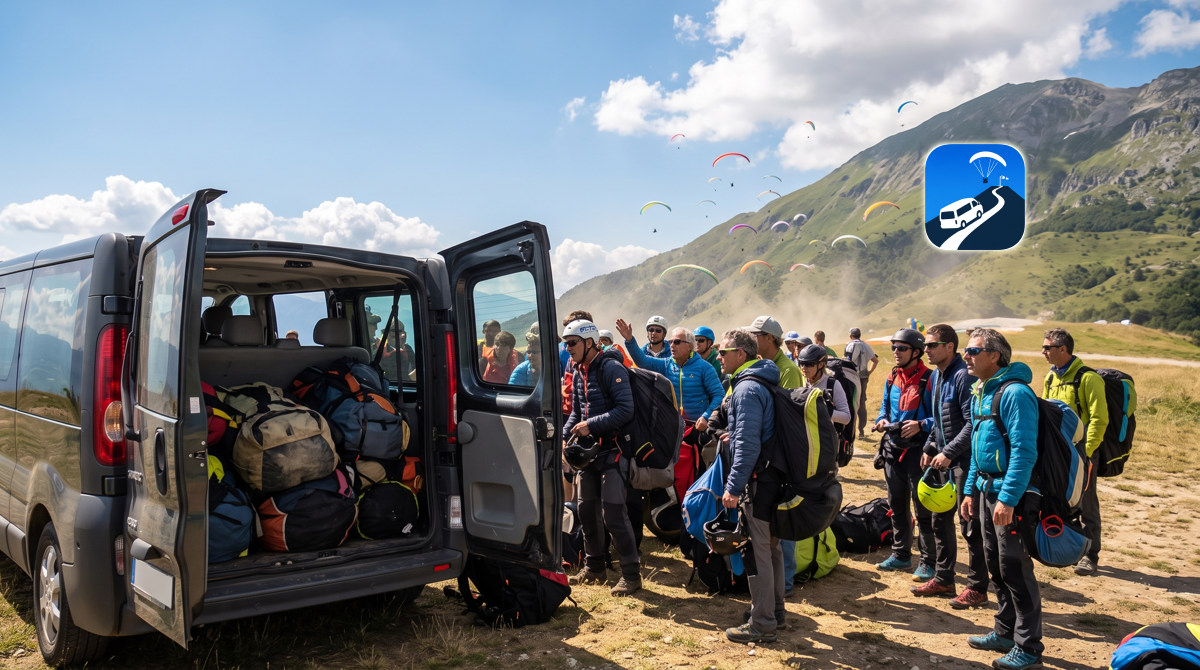
We all know the scene at the landing field: the thermal cycle starts to kick in on the slope, the first wings are already climbing in the house thermal and the club’s WhatsApp group is ablaze with crossed messages. “Is anyone going up at twelve?“, “wait five minutes for me“, “any seats left in the van?“. The driver sets off without knowing how many of us there really are, and more than one pilot is left on the ground watching the dust trail disappear while the day’s best ceiling slips away.
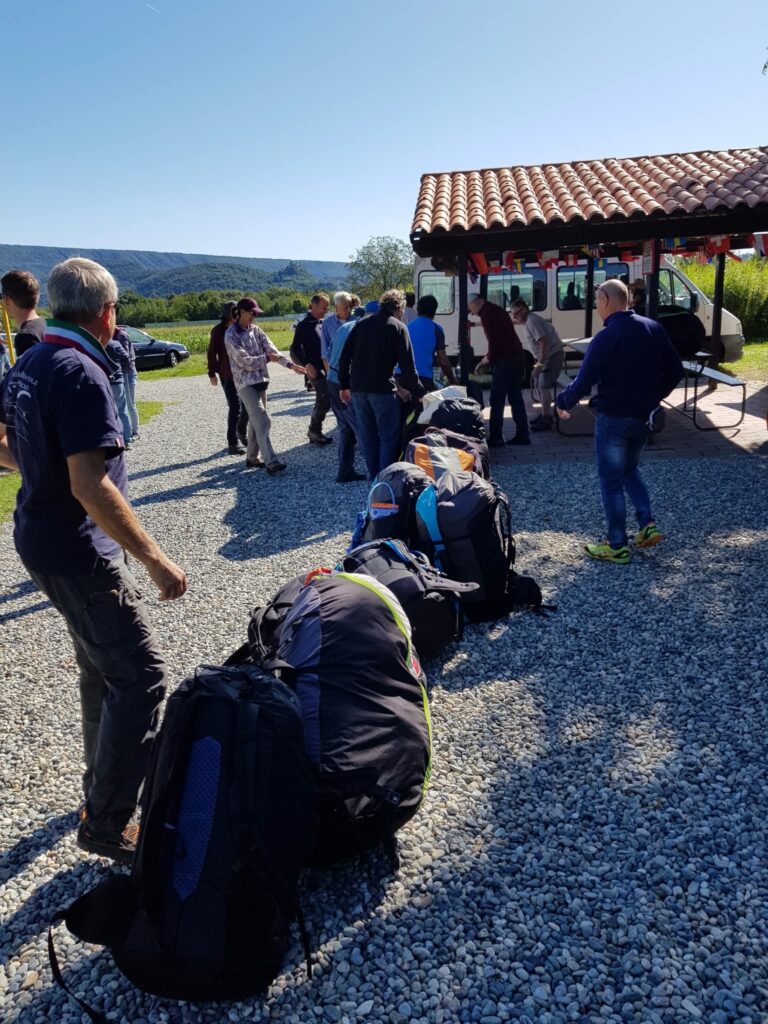
GlideLoop was created to solve that logistical friction at flying sites: a tool designed specifically to organise the flow of vans, clubs, schools and commercial operators.
No downloads: straight from the browser
Conceived by Italian pilot Stefano Madeddu, GlideLoop deliberately bypasses the traditional app stores. It works as a mobile web app straight from the browser, which removes any installation barrier right at the landing field. The platform is available in ten languages.
The system digitises the departure board so that both local and visiting pilots can book a seat in seconds, making sure every vehicle goes up with the optimal number of passengers.
Two shuttle modes: Scheduled and Free Flow
Each day’s weather and traffic set the pace at launch. GlideLoop adapts to two key transport modes:

- Scheduled mode: Fixed departure times, subject to a minimum number of confirmed pilots. Ideal for quiet days, weekdays or low season, when running a van without enough passengers just doesn’t pay.
- Free Flow mode: No fixed timetable. The shuttle fills up and goes straight up. Pilots let the driver know when they expect to land, so rotations follow one another without dead time. It’s the perfect format for busy weekends or pure ridge-soaring sites.
The platform takes the everyday details of free flight into account: you can book a seat just for your rucksack if you decide to walk up hike & fly style, add tandem passengers, or request a retrieve by sending your exact coordinates if you’ve landed out away from the official landing field.
Integrated with Paragliding Earth: more than 10,700 take-offs
One of GlideLoop’s smartest technical choices is its direct integration with the Paragliding Earth database, bringing in more than 10,700 catalogued take-offs around the world.
Each club or local guide links its usual flying sites to its operator profile. That way, a pilot travelling through an unfamiliar area only has to open the map, see which local operators have vans running and secure a seat before arriving.
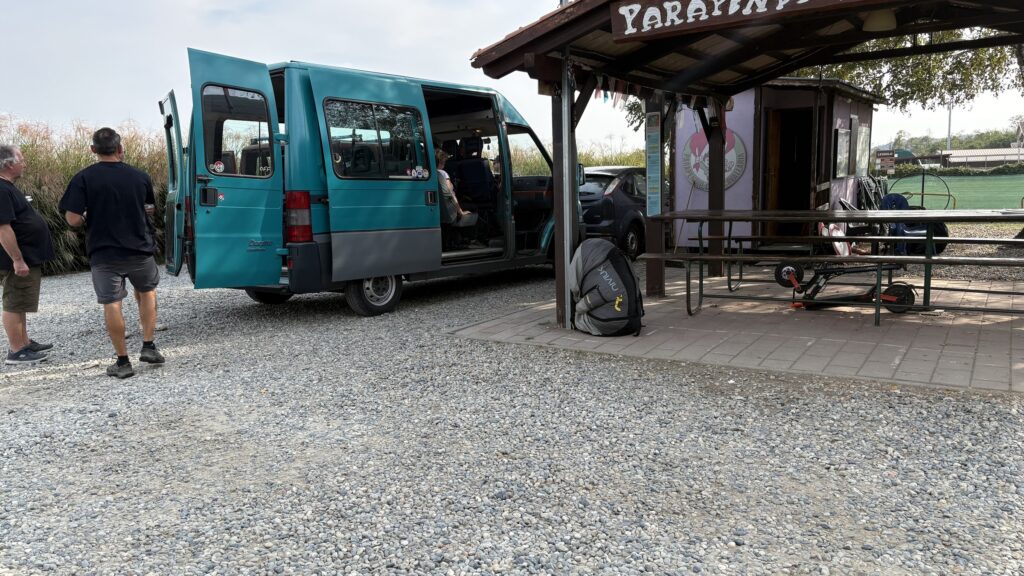
Operations management for clubs and schools
On the admin side, the tool separates access roles to protect day-to-day operations:
- Club administrator: Sets up prices, vehicles and service settings.
- Manager / driver: Handles the live passenger list, confirms departures and coordinates the day’s traffic.
The system protects privacy under the GDPR, hiding users’ phone numbers from third parties.
Pricing and a real-world test
- Pilots: Using the platform is 100% free.
- Clubs and operators: Free up to 200 shuttle runs a year. For commercial fleets or busier clubs, there are subscription plans designed to cover server costs.
To try the booking flow before rolling the system out at your club, the app includes the Algodonales Demo Club (select Demo Club-SPA), with simulated routes to the Levante, Poniente and Norte take-offs, as well as Free Flow mode.
Service details and links
- Official website: glideloop.tech
- App and demo access: glideloop.app
- Instagram: @glideloop.tech
- Activation contact: info@glideloop.tech
The Ojovolador view
Flying time is often “optimised” by good management on the ground. Spending half an hour chasing drivers across messaging apps eats into your focus before take-off, and all too often we miss the best windows of the day. GlideLoop offers a simple answer to a basic problem in our community: a lightweight interface, no heavy installs, and a language pilots understand. Anyone who runs shuttles knows how draining it is to coordinate seats by shouting across the field; making that step professional means gaining time and flight quality. It’s especially useful when we’re at new flying sites or don’t speak the local language.