Have you ever arrived at launch without knowing exactly what you were going to do in the air? Many pilots — beginners and advanced alike — fall into the habit of simply “going flying” with no defined purpose. And while that may be fine for enjoying the scenery, if you want to progress as a pilot, you need to fly with intention.
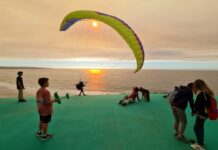
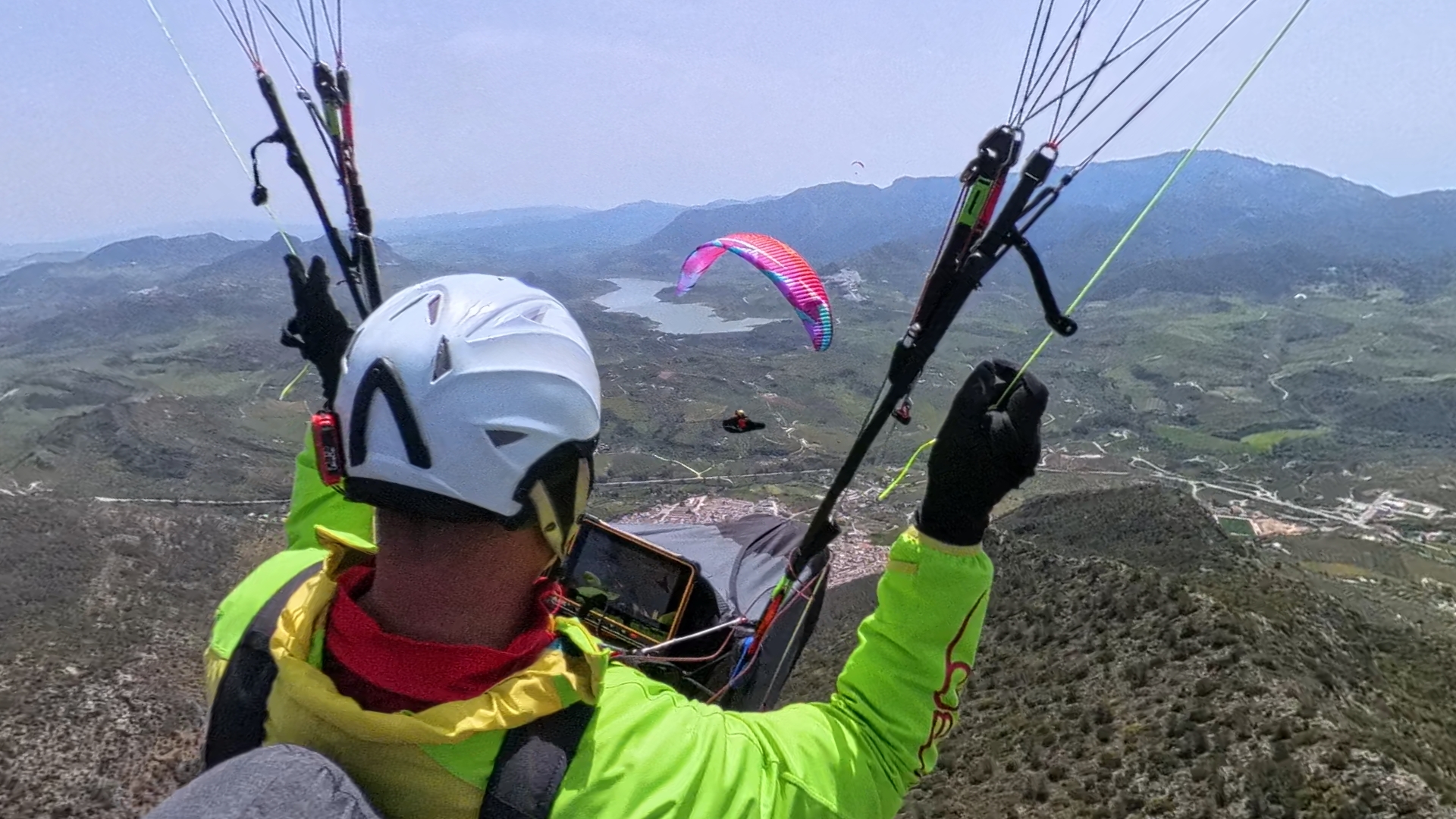
Today, from Fuerteventura, we took advantage of a good day of ridge soaring to share practical tips that will help you structure your flights and improve your level step by step.
✈️ Flying with a plan: the first step to progress
Having a flight plan does not mean overcomplicating things; it means setting concrete goals adapted to your current level. Every flight can be an opportunity to work on a different aspect:
- 🧭 Flight duration: if you flew 20 minutes today, aim for 30 tomorrow.
- 📍 Landing accuracy: it is not about landing on a square metre, but about landing consistently in the right field.
- 🧗 Altitude: try to reach new heights using thermals or ridge lift.
Small but well-focused goals will let you see real progress in a short time.
🎯 Goals by stage: from beginner to performance flying
As you gain experience, your goals should evolve:
- 🪂 In the beginner stage, focus on basic wing management and your position in the flying area.
- 🧱 During progression, aim to extend your flying time, improve manoeuvres and get familiar with different types of lift.
- 🦅 In sport or cross-country flying, work on efficiency, strategic decision-making and physical endurance.
Don’t arrive at launch without a plan. Decide in advance what you will work on that day and give every flight a purpose.
🔁 Manoeuvres and technique: make them part of your plan!
There are exercises you can gradually add, such as:
- ✨ Turning both ways: avoid having a “weak side” and develop symmetry in your manoeuvres.
- 📊 Use apps such as XC Stats to analyse your flights and discover patterns you may never have noticed.
- 🛰️ Navigation practice: start points, transitions between turnpoints, optimal entry points… it all adds up.
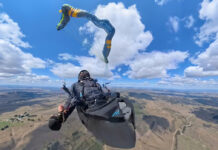
- 🌬️ Big ears, wingovers, accuracy landings: master each technique in the right place.
Not every site lets you practise the same things. Adapt your goals to the conditions of the day and the place.
🤝 Fly in a group and improve your emotional control
One of the most underrated aspects of flying is managing the social environment. Flying close to other pilots can cause discomfort or insecurity, even for experienced pilots. That is why you should:
- Learn to fly in formation or close to others, staying in control and calm.
- Watch and communicate with your fellow pilots — that will also help you grow as a pilot.
Flying with others also opens up new opportunities to learn and have fun.
📋 Build your own progression programme
If you want to stay motivated and really move forward, make a list of the aspects you want to work on:
- 🕐 Time in the air
- 📏 Distance flown
- 🌪️ Control in thermals or ridge lift
- 🎯 Specific manoeuvres
- ⛅ Use of instruments
Organise them by level, priority or ideal conditions. That way, every outing becomes another step towards your goals as a pilot.
🌐 Share your experience!
Are you already applying these tips? Do you have your own progression exercises or rituals?
💬 Tell us in the comments or on social media. We love sharing experiences and growing together in this passion for the air.
And if you haven’t yet…
📲 Subscribe to Ojovolador on YouTube https://www.youtube.com/@ojovolador and follow us on Instagram and Facebook.
See you in the next thermal!